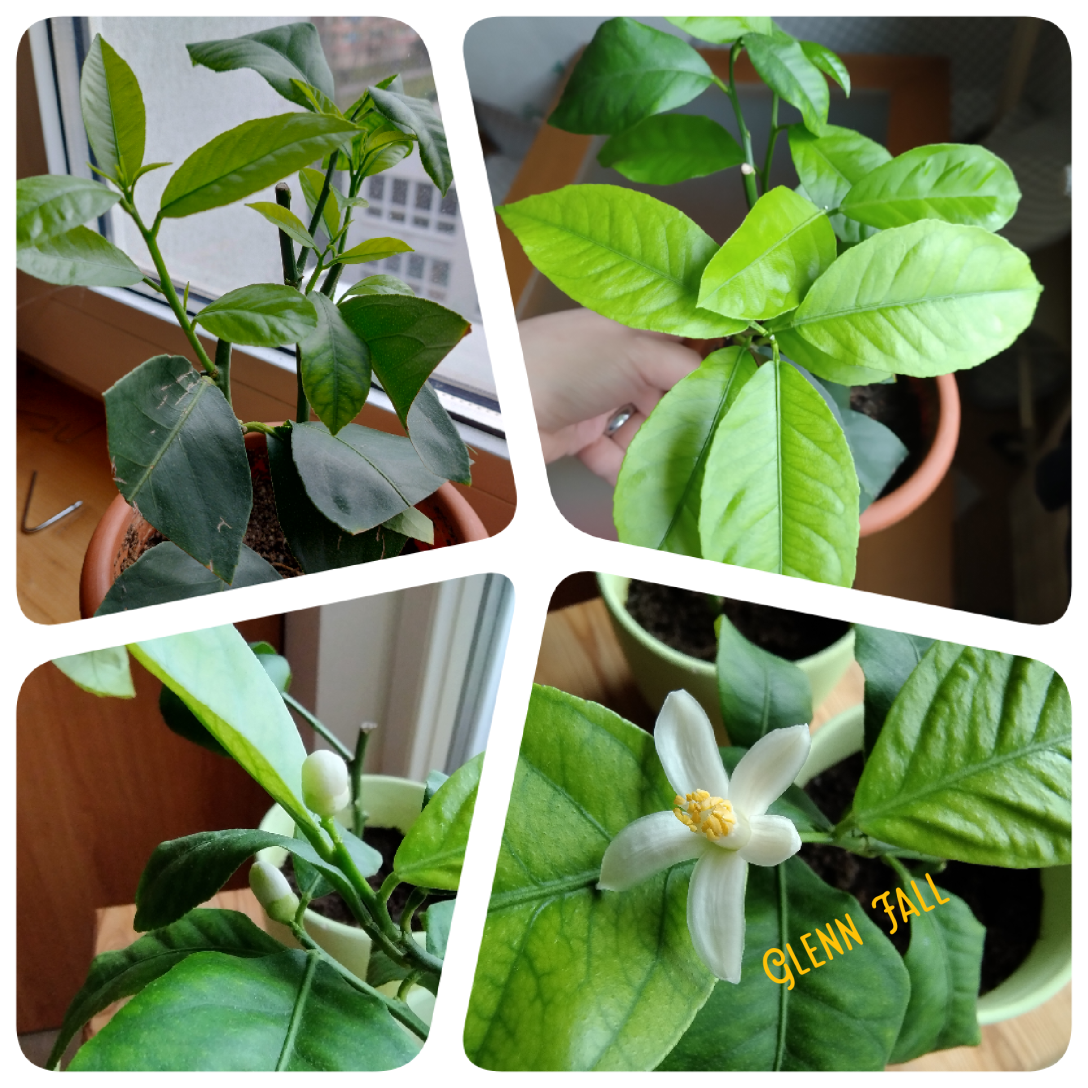
Citrus trees are a delightful addition to any garden or light room. If you’re looking to start or expand your citrus collection or share the beauty of these trees with others, propagating them from cuttings is a rewarding and cost-effective method. You will have to be patient. But … we are growing trees, right? Let’s cut and grow.
Timing is Crucial
Before you start snipping away at your citrus tree, it’s essential to choose the right time of year for collecting cuttings. The optimal months are from late spring to early autumn. The tree is actively growing, not in a dormant stage. Make sure the branches you select for cuttings are at least one year old and have a circular shape. Avoid taking cuttings from triangular, young branches, as they may not root.
Preparing the Cuttings
Have your hands full of fresh cuttings? Surely your nose is filled with their scent. And hands may be cut from citrus thorns. Be very careful and cut off these thorns, if they are present.
Cut the cuttings to a length of about a hand or two. Leave only three or four leaves attached. To reduce moisture loss, trim off half of the leaves from each cutting. This will help the cuttings focus their energy on rooting rather than maintaining excess foliage.
You can dip the bottom of each cutting in a rooting powder. This powder contains hormones that encourage root growth. But don’t worry. The cuttings will hopefully root even without this.
Planting the Cuttings
Plant the prepared cuttings in small pots filled with citrus potting mix. The soil truly matters. The specific mix will further ensure the cuttings’ survival. You can plant them individually or in groups of two or three, depending on your preference. After planting, place the potted cuttings into a translucent plastic bag to create a mini greenhouse effect. Position them in a well-lit area indoors but away from direct, intense sunlight, which could scorch the cuttings.

Maintaining the Environment
To ensure the success of your propagation, you need to maintain the right environment for the cuttings. Opening the plastic bags daily for a short period will prevent the growth of mold and maintain proper ventilation. Alternatively, you can cut small holes in the bags or use another cover that allows for high humidity while ensuring adequate airflow.
Root Development
Be patient; it takes several weeks for the cuttings to develop roots. During this time, it’s crucial not to disturb the cuttings. DO NOT TOUCH THEM. I was very impatient and curious two times and I lifted a cutting from the soil to see the new roots. They are very fragile. I broke them and my cuttings died. Be patient. As the roots develop, you’ll notice new leaves gradually emerging from the cuttings. At this point, the new roots are much stronger.
Transplanting
Let the cuttings develop at least two new leaves. You may use a liquid citrus fertilizer to help the cuttings grow. But, again, remember that the new roots are fragile. Avoid overfertilization. Once the cuttings look stronger, gently separate them if you planted them in groups and plant each one separately in larger pots filled with citrus potting mix. This step ensures that each new plant has ample space to grow and thrive.
Flowers
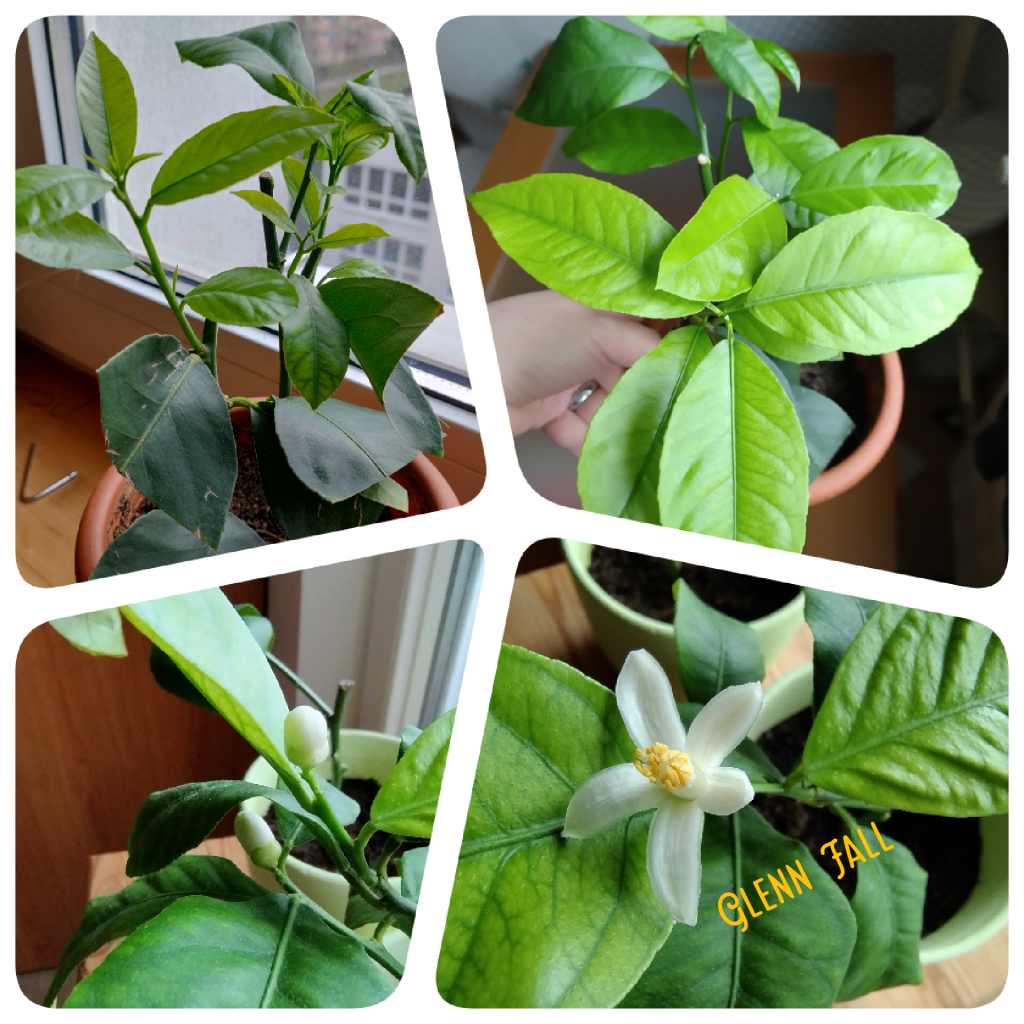
I am 99% sure you wish to grow more citrus trees to harverst more fruit from them. And the usual estimated time for the first flowers to develop on a cutting is … a few years. In my experience, it can take even just a few months and you will see a tiny cutting with a small root system and a few leaves stubbornly growing flowers. Once I counted 8 flower buds on one cutting. I had one cutting that started flowering right after being planted into the soil. The poor thing kept producing flowers even after it shed all its leaves from exhaustion. And it died. I guess I took the cutting from the tree in the exact time when it was getting ready to go full-speed flowering and the cutting retained this.
But I also had cuttings that took even four years to start flowering. It all depends on the particular tree and the conditions.
I advise you to gently get rid of any flower bud you see until your small tree is at least two years old, it is growing well, and it has a solid root system. The flowers and fruit can truly kill a weak new tree.
Propagating citrus trees from cuttings can be a satisfying and cost-effective way to expand your citrus orchard. By following these steps and providing the right care and environment, you can watch your cuttings transform into healthy, vibrant citrus trees that will yield fruit for years to come. But remember. They are trees. They grow slowly 🙂

 Glenn's Nest